November 21, 2026
Modern warehouses, distribution centers, and manufacturing facilities depend heavily on material handling equipment to move inventory safely from receiving docks to storage racks. When a lift truck suffers an unexpected mechanical failure, daily shipping schedules stall and labor productivity drops across the entire floor. Investing in proactive maintenance and timely forklift repairs protects your operational momentum while extending the working lifespan of every machine in your fleet.
Maintaining Electric Drive Systems
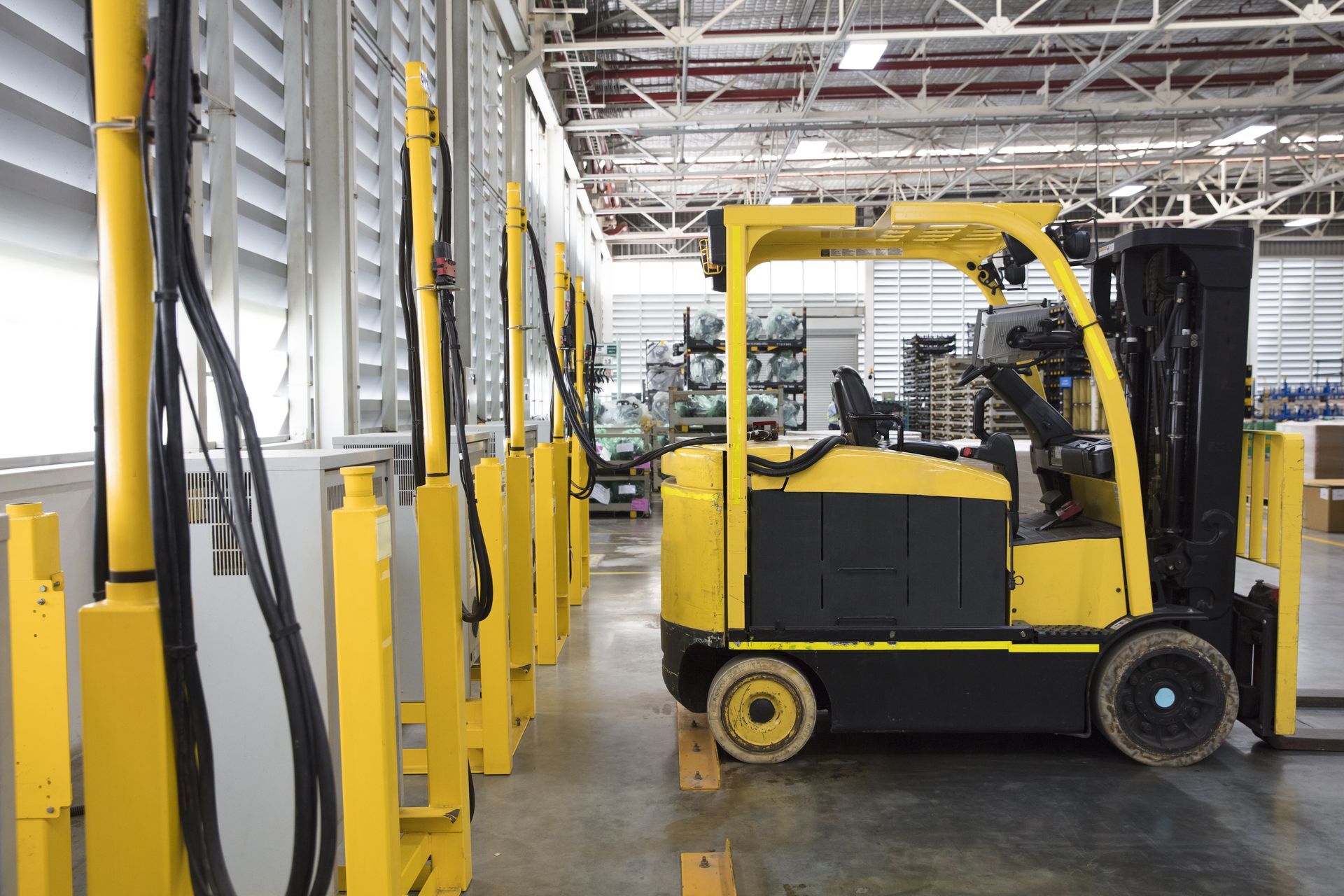
Warehouse operators increasingly favor battery-powered lift trucks because they operate quietly and produce no tailpipe emissions inside enclosed facilities. According to data from Market.us, electric-powered forklifts dominate the market, holding 66% of the overall market share. Because these machines rely on complex electrical architecture rather than traditional fuel combustion, keeping them running smoothly requires attentive care for batteries, charging stations, wiring harnesses, and electronic drive controllers. Neglecting routine battery maintenance often leads to voltage drops, sluggish acceleration, and premature cell degradation that disrupts daily shift schedules across busy distribution hubs.
Technicians should inspect battery cables, terminal connectors, and charging plugs regularly for signs of corrosion, fraying, or heat damage. Cleaning terminal buildup and verifying proper electrolyte levels in flooded lead-acid units prevents resistance spikes that strain electric drive motors and sensitive logic boards. Operators should also follow proper charging cycles and allow batteries to cool adequately before returning equipment to heavy service. When operators notice erratic dashboard error codes or reduced lifting speed, scheduling specialized forklift repairs allows certified mechanics to run diagnostic scans on the motor controller and replace worn contactors before an electrical short disables the vehicle completely.
Inspecting Hydraulic Lifting Components
The hydraulic system provides the raw lifting muscle that enables a forklift to raise heavy palletized loads smoothly and hold them steady at elevated heights. High-pressure hydraulic fluid flows through a network of steel lines, flexible rubber hoses, control valves, and lift cylinders every time an operator engages the mast controls. Over continuous shifts, constant pressure cycles and friction gradually wear down internal cylinder seals and cause flexible hoses to crack or chafe against metal frame edges. Even a minor pinhole leak compromises system pressure, slows down mast travel, and creates hazardous fluid slicks across warehouse aisles.
Routine visual inspections before each shift help operators spot damp fittings, weeping seals, or unusual mast shuddering before severe component failure occurs. Maintenance teams should also monitor hydraulic fluid clarity and replace clogged return filters so abrasive contaminants do not score delicate pump surfaces or precision valve spools. Proper lubrication of mast channels, rollers, and lift chains further reduces mechanical drag during smooth vertical travel. Addressing minor leaks and worn lift chains through preventative forklift repairs preserves full lifting capacity and protects warehouse personnel from sudden load drops.
Servicing Mechanical Brake Assemblies
Reliable stopping power is critical inside busy facilities where forklifts navigate narrow aisles alongside pedestrian workers, pallet jacks, and stationary racking. Unlike highway vehicles that travel long distances between stops, warehouse lift trucks undergo constant acceleration and braking throughout every shift. This repetitive stop-and-go workload generates intense friction and heat across brake shoes, pads, drums, and master cylinders. When braking components wear thin or hydraulic brake lines trap air, stopping distances increase dramatically and place operators and nearby staff at serious risk of collisions.
Operators must pay close attention to early warning signs such as squealing noises, grinding metal, pulling to either side, or a spongy brake pedal feel. Parking brake linkages also require periodic adjustment so parked trucks remain securely anchored on loading ramps and sloped surfaces. Technicians should thoroughly clean accumulated brake dust from wheel hubs and inspect wheel bearings and axle seals during every scheduled service visit. Replacing glazed brake linings, resurfacing scored drums, and flushing contaminated brake fluid keeps stopping performance crisp and predictable during demanding warehouse operations.
Replacing Worn Tire Treads
Tires serve as the sole point of contact between a heavy counterbalance forklift and the facility floor, directly influencing traction, steering stability, and load control. Because forklifts lack the sophisticated spring suspension systems found on passenger automobiles, the tires themselves absorb most of the shock from expansion joints, dock plates, and rough concrete surfaces. Cushion tires fitted on indoor warehouse trucks wear down smoothly over time, whereas pneumatic tires used in outdoor lumber yards or construction depots frequently suffer punctures, sidewall cuts, and tread chunking.
Operating a lift truck on badly worn or uneven tires transmits harsh vibrations directly into the steering axle, transmission mounts, and operator compartment. Worn treads also reduce ground clearance and degrade braking traction on slick floors, increasing the likelihood of skids or tip-overs during sharp turns. Keeping warehouse floors swept free of nails, metal banding straps, and broken pallet splinters helps prevent sudden tire damage before it starts. Scheduling essential forklift repairs to swap out damaged or bald tires restores smooth handling, protects sensitive drivetrain components from impact damage, and reduces operator fatigue during long shifts.
Evaluating Internal Combustion Engines
Facilities handling heavy outdoor loads, steep grades, or continuous multi-shift schedules often rely on internal combustion forklifts powered by liquefied petroleum gas, diesel, or gasoline. These rugged engines generate tremendous torque, yet they contain numerous moving parts, belts, hoses, and fluid circuits that demand disciplined upkeep. Dust, debris, and airborne fibers common in industrial environments can quickly clog engine air filters and radiator fins, starving the engine of clean airflow and causing dangerous overheating during peak workloads.
Consistent oil and filter changes keep internal bearings lubricated and prevent sludge buildup inside high-temperature engine blocks. Technicians should also examine fuel regulators, spark plugs, exhaust manifolds, and cooling hoses for wear, ensuring clean fuel combustion and steady power delivery under heavy loads. Monitoring transmission fluid levels and inspecting drive belts for cracking or glazing further protects powertrain reliability under demanding yard conditions. Performing timely engine tune-ups and cooling system flushes prevents catastrophic head gasket failures and keeps outdoor fleets running reliably through extreme seasonal weather.
Partnering With Certified Technicians
While daily pre-shift operator checklists catch obvious surface issues, comprehensive equipment reliability depends on structured preventative maintenance performed by trained professionals. Experienced service technicians possess specialized diagnostic software, calibrated pressure gauges, and deep familiarity with manufacturer service specifications across diverse lift truck brands. Establishing a consistent maintenance partnership ensures that critical wear items are measured, lubricated, and replaced according to actual operating conditions rather than waiting for an emergency breakdown on the warehouse floor.
Working with a dedicated service provider also simplifies parts management and maintains accurate service documentation for workplace safety compliance. Certified mechanics install high-quality replacement components that preserve equipment warranties and restore factory performance standards across your entire fleet. Clear communication between warehouse supervisors and mobile service teams allows maintenance work to be scheduled during off-peak hours without disrupting active shipping lanes or loading docks. By combining attentive daily operator habits with scheduled professional forklift repairs, warehouse managers eliminate unexpected downtime, control maintenance budgets, and keep every forklift productive year-round.
Consistent equipment care transforms material handling maintenance from an unpredictable expense into a reliable competitive advantage. When facility leaders prioritize preventative inspections, genuine replacement components, and rapid technician support, forklifts deliver safe and uninterrupted performance across every shift. Staying proactive with mechanical upkeep ensures your fleet remains ready to meet demanding production goals today and well into the future. For more information on forklift repairs to keep your operations running smoothly, please contact Action Material Handling.