November 3, 2026
Choosing the right forklift is crucial to the efficiency and safety of your warehouse operations. With numerous models and specifications available, the sales process can be overwhelming. Informed decision-making is key to selecting equipment that meets operational needs while avoiding common pitfalls, which can be both costly and hazardous. This article explores essential features, quality evaluation criteria, and mistakes to avoid in forklift sales.
1. What Features Should You Look for in a Forklift?
Finding the right forklift involves understanding the specific requirements of your operations. Key features to keep in mind include load type, lifting capacity, work environment, and safety features. These aspects significantly impact performance and efficiency.
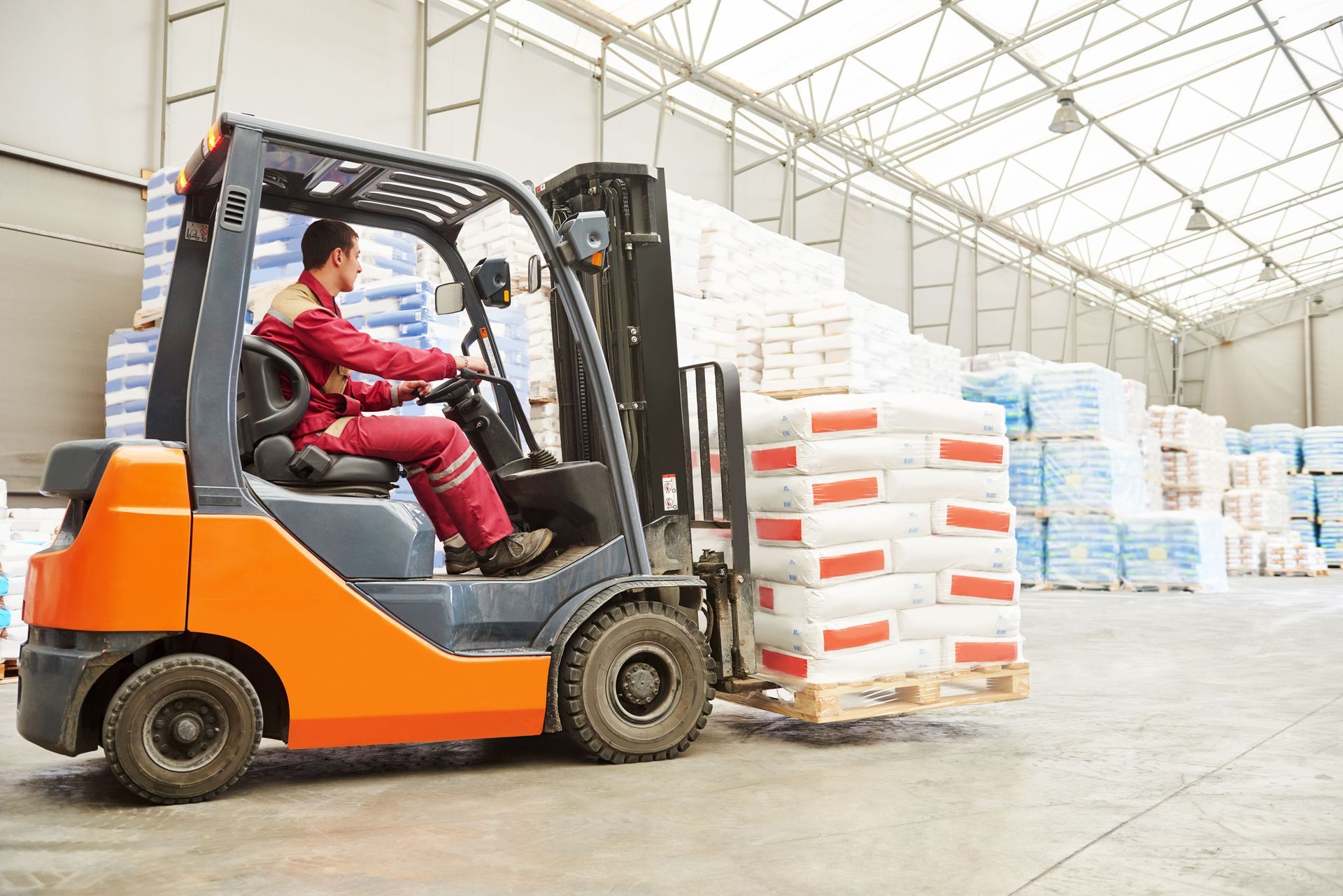
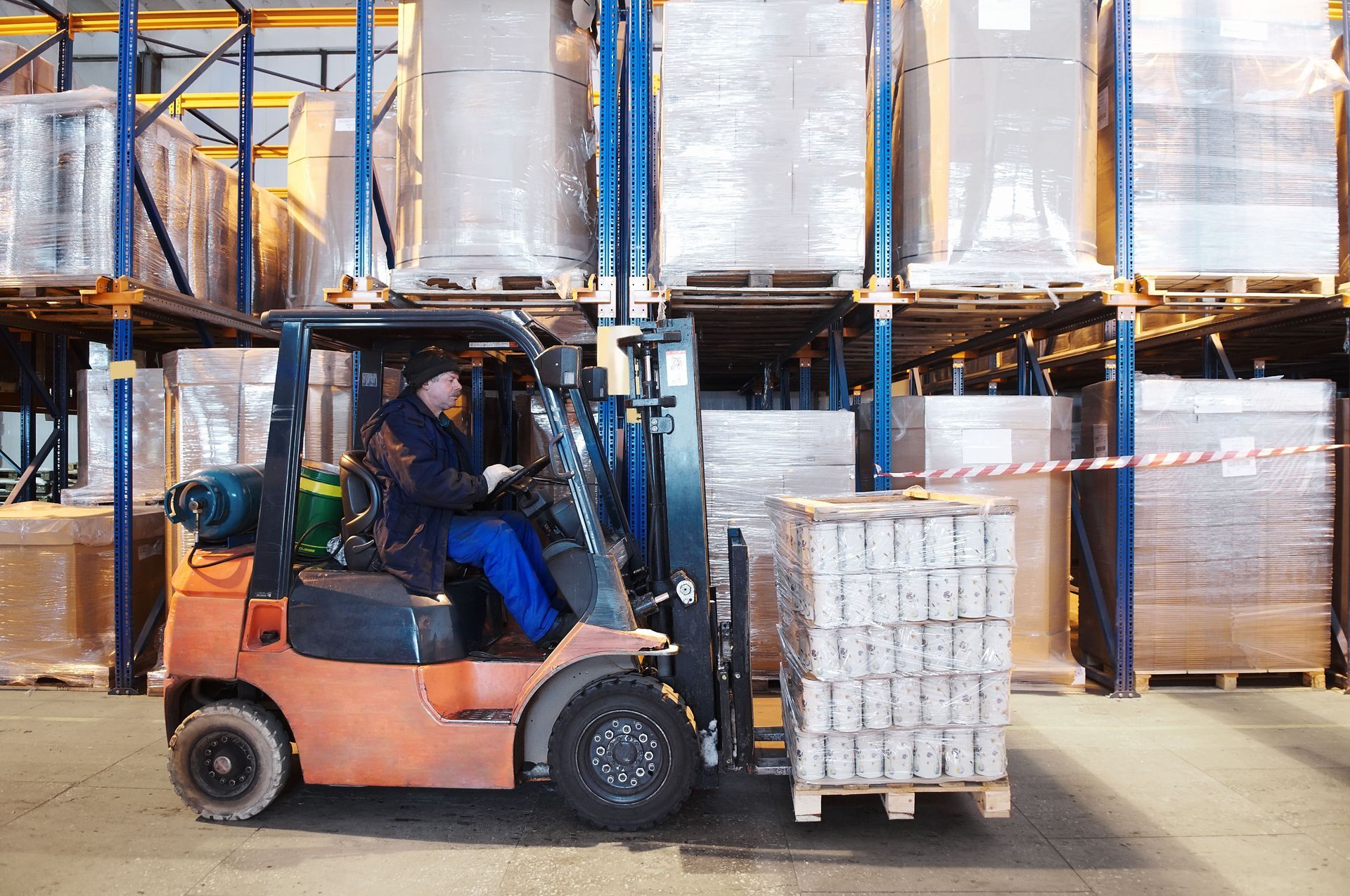
Firstly, recognizing the type of loads your forklift will handle daily is essential. From pallets to non-standard loads, every lift task has unique demands. Understanding these requirements ensures the equipment is up to the task, enhancing productivity and safety.
1.1 Understand the Type of Loads
Your selection process should begin by categorizing the type of loads you intend to handle. Whether dealing with uniform pallets or irregularly shaped goods, this insight is foundational to choosing the appropriate forklift model.
1.2 Assess Lifting Capacity Requirements
Load capacity is another critical consideration. According to Mordor Intelligence, forklifts with a load capacity of five to 15 tons led the market in 2024, with a 42.10% share. This highlights a significant trend towards heavy-duty applications that businesses should be aware of.
1.3 Consider the Work Environment
The environment in which the forklift will operate also influences model selection. Factors like terrain, indoors versus outdoors, and space restrictions all play a role in determining the most suitable choice. It's essential to keep these distinct environments in mind before pursuing forklift sales.
1.4 Evaluate Safety Features
Safety cannot be overstressed. Opt for forklifts that incorporate advanced safety features such as stability controls and visibility enhancements. These additions help prevent accidents and protect both operators and goods.
2. How to Evaluate the Quality of a Forklift?
Once you've determined the necessary features, evaluating the quality of potential forklifts ensures reliability and longevity. High-quality manufacturing standards and component inspection are essential to this assessment.
Quality assurance is often marked by adherence to strict manufacturing standards. Opt for brands that comply with recognized safety and construction regulations, which are indicative of superior product integrity.
2.1 Check Manufacturing Standards
Prioritize manufacturers that follow established industry standards for safety and performance. Doing so provides a safety net, ensuring you are purchasing durable and reliable equipment.
2.2 Inspect the Forklift's Components
A thorough inspection of critical components such as the engine, hydraulics, and chassis can reveal potential maintenance concerns and durability expectations, aiding informed purchasing decisions.
2.3 Look for Reliability and Durability Reports
Research reliability ratings and durability studies for the models you are considering. These reports typically stem from long-term performance analyses and offer insights into expected operational life and upkeep costs.
2.4 Understand Maintenance Needs
Factor in maintenance requirements and ease of serviceability. Equipment that is easier to maintain reduces downtime and operating costs, a critical consideration in forklift sales.
3. What are the Biggest Mistakes in Forklift Sales?
Avoiding common mistakes in forklift sales ensures that you don't compromise on the operational efficiency or safety of your equipment. One major error is ignoring the total cost of ownership, which encompasses not just the initial purchase price but ongoing maintenance, fuel, and depreciation expenses.
This oversight often leads to decision-making based solely on price, which can result in selecting suboptimal or inadequate models that don't meet long-term business needs. An informed approach considers all financial aspects, ensuring sustainable investment.
3.1 Ignoring Total Cost of Ownership
Total cost of ownership is a comprehensive way to assess the true value of a forklift. When overlooked, it can result in budget overruns and suboptimal equipment performance due to hidden long-term costs.
3.2 Choosing Based on Price Alone
While budgetary constraints are real, fixating on upfront costs can lead to purchasing low-quality forklifts. This approach often ignores key functionality and durability factors necessary for optimal operation.
3.3 Neglecting Operator Compatibility
Operator compatibility is crucial for safety and efficiency. Ensure the design of your forklift can comfortably support the operator's work style, which minimizes fatigue and enhances productivity.
3.4 Failing to Verify Dealer Reputation
Purchasing from a reputable dealer guarantees quality support and service. Investigate dealer credibility through reviews and references to safeguard against procurement mishaps.
4. How to Finance a Forklift Purchase?
Financing options are pivotal to optimizing capital use in forklift sales. Understanding the advantages of leasing versus buying and comprehending lease terms and financing options provide greater flexibility in managing cash flow effectively.
Leasing can offer substantial benefits in terms of up-to-date equipment and reduced upfront costs, yet buying provides ultimate ownership and potential longevity benefits. Each option should be weighed based on business finances and growth projections.
4.1 Compare Leasing vs. Buying
Leasing may initially appear less expensive, offering lower initial costs and access to newer technology. However, buying can save money long-term by eliminating recurrent lease payments and providing asset ownership.
4.2 Understand Lease Terms
Comprehend the lease terms fully, noting any possible hidden fees, maintenance responsibilities, and obligations at lease termination, to ensure financial predictability and alignment with budget expectations.
4.3 Explore Financing Options
Explore the various financing options available from banks and lenders. Comparing interest rates, conditions, and terms gives you the upper hand in securing a beneficial financial arrangement.
4.4 Assess Impact on Cash Flow
Assess the impact of your financing choice on cash flow meticulously. Decisions should support operational liquidity and accommodate unforeseen expenses.
5. How to Choose the Right Forklift Dealer?
Finding a reliable dealer is as important as selecting the right equipment. Assess the dealer's experience, customer service quality, and after-sales support to ensure a smooth purchasing experience.
Examine customer reviews and references to affirm positive experiences. Additionally, a dealer's facility visit can reveal insights into their operations, offering peace of mind with your investment.
5.1 Assess Dealer’s Experience and Expertise
Dealers with extensive experience and industry expertise are more likely to provide valuable insights and support, aiding an informed purchasing decision signal of quality service and guidance.
5.2 Check Customer Reviews and References
Probing customer reviews and contacting references ensures dealer reliability, a crucial factor in securing a satisfying and trouble-free procurement experience.
5.3 Evaluate After-Sales Services
Consider after-sales services offered by dealers, including warranties, repair services, and training programs. These are essential for maintaining operational continuity and reducing downtime.
5.4 Visit the Dealer’s Facility
A visit to the dealer's facility provides firsthand experience of their operations, including the quality of their service department, inventory range, and professionalism, reassuring your decision. As much as online research can help you prepare, there's no substitute for visiting the forklift sales facility in person!
Choosing the right forklift is integral to operational success and requires careful evaluation of features, quality, potential sales pitfalls, financing, and dealer options. By making informed decisions, businesses can enhance efficiency, ensure safety, and secure long-term gains in
forklift sales. Prioritizing comprehensive assessments over hasty decisions leads to successful acquisitions and robust performance throughout the equipment's lifecycle. When you're ready to invest in a forklift, be sure to reach out to our experienced team at Action Material Handling. We would love to assist you!