March 17, 2026
Purchasing a forklift, whether new or used, represents a significant investment for any business. A forklift is more than just a piece of equipment; it is a cornerstone of operational efficiency, impacting productivity, safety, and long-term profitability. With the variety of models, features, and price points available, selecting the right forklift requires careful consideration of several critical factors. This article explores key aspects of forklift purchasing to help businesses make an informed decision that aligns with both operational needs and budget considerations.
Investing in forklifts has become increasingly strategic, as material handling serves as the backbone of productivity in a wide range of industries, from logistics and warehousing to manufacturing and cold-chain operations. Businesses that carefully evaluate their specific operational requirements — including load types, frequency of use, working environment, and future expansion plans — can select forklifts that not only meet current demands but also provide the versatility and durability necessary to accommodate growth and evolving operational needs over time.
1. Assessing Your Operational Needs
One of the first steps in the forklift buying process is a thorough assessment of operational requirements. This includes understanding the types of goods being handled, the working environment, and the volume of materials moved on a daily basis. Forklifts used for fragile or high-value goods may need precision attachments or specialized handling systems to prevent damage. Conversely, operations dealing with heavy pallets or industrial materials require forklifts with higher weight capacities and robust lifting mechanisms. Identifying the specific requirements of your business is essential to ensure that the chosen forklift enhances workflow efficiency rather than creating bottlenecks.
Industry trends further illustrate why operational needs should guide purchasing decisions. Businesses often require forklifts capable of navigating narrow aisles while carrying significant loads, whereas emerging sectors such as cold-chain food and beverage operations need equipment that supports temperature-controlled environments. By aligning forklift capabilities with industry-specific demands, companies can achieve greater productivity and safer material handling.
2. Understanding Forklift Types and Capabilities
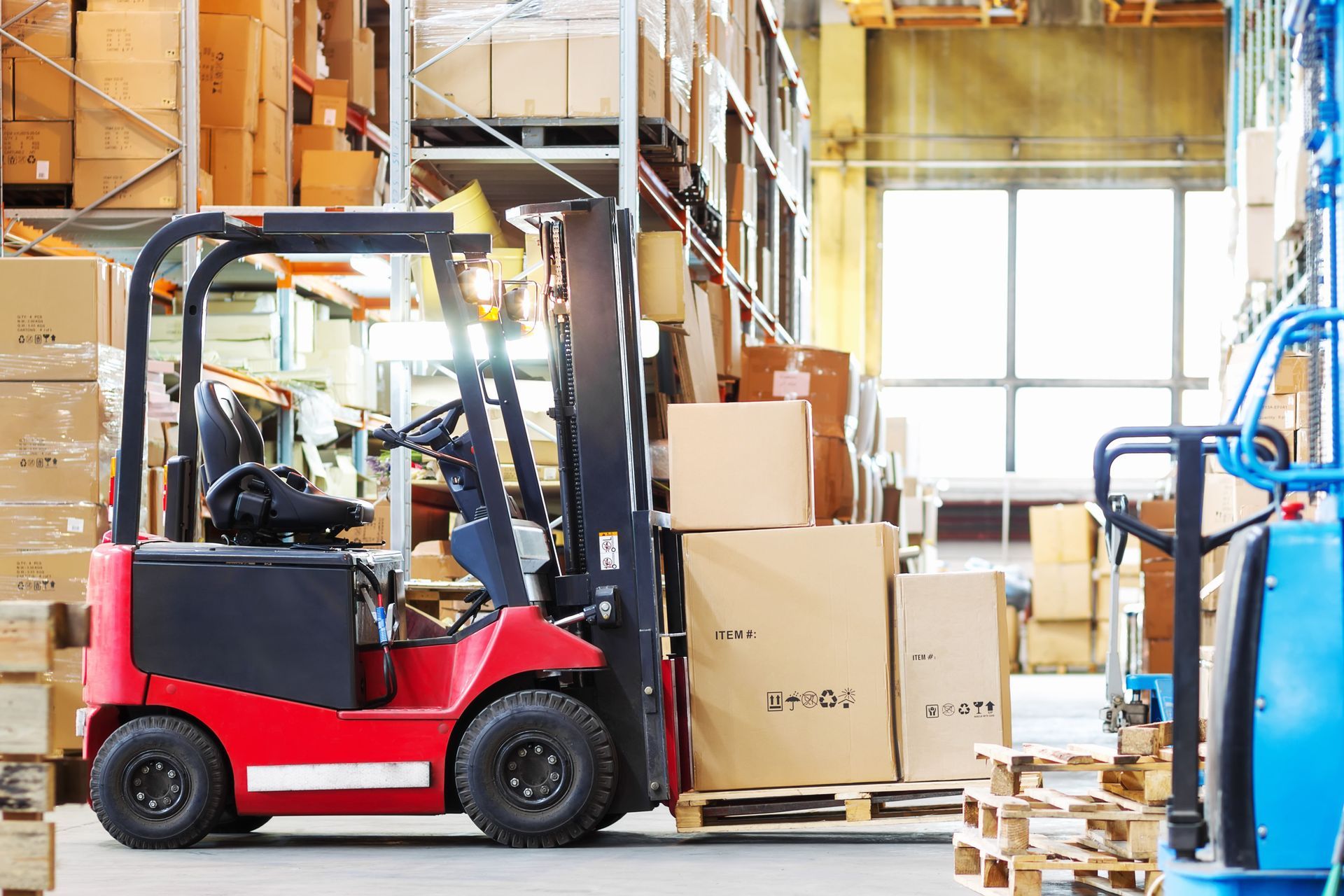
Forklifts come in various types, each with unique advantages suited to specific applications. The main distinction lies between electric and internal combustion (IC) forklifts. Electric forklifts are ideal for indoor operations due to their zero emissions, quiet performance, and lower operating costs. IC forklifts, powered by diesel, gasoline, or propane, offer greater power and are typically preferred for outdoor or heavy-duty applications. Understanding the strengths and limitations of each type ensures that your purchase aligns with both the operational environment and business objectives.
Beyond fuel type, other factors such as lifting height, load capacity, and maneuverability must be considered. Forklifts are designed for specific working conditions; some models excel in narrow aisles, while others are built for rugged outdoor terrain. Companies should also evaluate advanced features such as ergonomic seating, digital displays, and safety systems, which contribute to operator comfort and productivity. Comprehensive knowledge of forklift types and capabilities is critical for maximizing efficiency and avoiding costly mismatches between equipment and operations.
3. Evaluating Cost Implications
The financial aspects of forklift purchasing extend far beyond the initial price tag. While a new forklift may come with warranties, the latest technology, and higher efficiency, it often requires a higher upfront investment. Used forklifts can be more budget-friendly but may involve additional maintenance and shorter lifespans. Companies must weigh initial costs against long-term operational expenses, including fuel, maintenance, and potential downtime.
Conducting a thorough cost-benefit analysis can help businesses understand the total cost of ownership. Factoring in operational savings from energy-efficient electric forklifts or the durability of a premium IC model ensures a more accurate financial assessment. Flexible financing options, leasing arrangements, and fleet discounts offered by reputable vendors can also ease the financial burden and make acquiring the right equipment more accessible. Ultimately, evaluating cost implications ensures that your forklift purchase supports both immediate needs and long-term business goals.
4. Deciding Between New and Used Forklifts
Choosing between a new or used forklift depends on operational priorities, budget, and expected usage. New forklifts offer advanced technology, updated safety features, and customizable options, making them a reliable investment for businesses seeking long-term performance. Warranties and reduced maintenance concerns add peace of mind, and newer models often integrate energy-efficient designs that lower operating costs.
Used forklifts, on the other hand, can provide significant savings while still offering dependable performance if properly inspected. Companies must evaluate the machine’s maintenance history, hours of operation, and any potential repairs needed. For businesses with limited capital, purchasing a certified pre-owned forklift can strike a balance between affordability and reliability. Whether new or used, selecting a forklift that matches the specific requirements of your operation is crucial to ensure optimal performance and return on investment.
5. Prioritizing Safety and Compliance Standards
Safety is paramount when operating forklifts, and adherence to regulations is non-negotiable. The Occupational Safety and Health Administration (OSHA) sets strict standards for forklift operation, covering training, maintenance, and operational procedures. Ensuring that your forklift purchase aligns with these regulations minimizes workplace accidents and protects both employees and business operations.
Modern forklifts include numerous safety features such as seat belts, warning lights, reverse alarms, and stability systems. Operator training, certification, and ongoing maintenance further reinforce safe operation. Businesses should also implement routine inspections to maintain compliance and prevent mechanical failures. By prioritizing safety and regulatory compliance, companies safeguard their workforce while maintaining operational efficiency.
6. Factoring Industry Trends and Future Growth
Industry trends play a significant role in determining the best forklift for your operations. The logistics and warehousing sector continues to rely heavily on forklifts for high-volume material handling, while emerging sectors such as cold-chain food and beverage demonstrate growing demand for specialized equipment. According to Mordor Intelligence, logistics & warehousing held 40.55% of the forklift trucks market share in 2024, whereas cold-chain food & beverage is on track for a 4.90% CAGR between 2025-2030. Anticipating future operational needs ensures that the chosen forklift remains a valuable asset as business demands evolve.
Planning for scalability and versatility allows companies to adapt to changing requirements without frequent equipment replacement. Selecting forklifts that accommodate growth, industry-specific needs, and technological advancements helps safeguard your investment. Businesses that align forklift purchasing decisions with market trends are better positioned to maintain efficiency, meet regulatory requirements, and capitalize on emerging opportunities.
Buying a forklift requires careful consideration of operational needs, forklift types, cost implications, safety, vendor support, and industry trends. Each factor plays a crucial role in ensuring that the machine you choose meets your business requirements while offering long-term value. By thoroughly evaluating these elements, companies can make informed decisions that enhance productivity, safety, and profitability.
Selecting a reliable vendor is a key factor in the forklift purchasing process. Reputable vendors not only provide quality products but also offer ongoing support, maintenance, and access to replacement parts. Evaluating a vendor’s track record, client reviews, and service offerings ensures a smooth purchasing experience and dependable long-term partnership. Partnering with a respected vendor ensures that your investment in forklift sales delivers long-term value and reliable service.
If you’re looking to invest in reliable forklifts, trust the experts at Action Material Handling. Their forklift sales and comprehensive support services provide businesses with high-quality equipment, expert guidance, and ongoing maintenance solutions. With a focus on efficiency, safety, and durability, Action Material Handling helps ensure your forklift investment delivers lasting performance and supports your operational goals for years to come.