January 28, 2026
Forklifts are the backbone of material handling in warehouses, manufacturing facilities, and construction sites. But when it comes to choosing the right type—electric or gas—businesses face a tricky decision. Each option has its strengths and trade-offs, from cost and performance to environmental impact and operator comfort.
Understanding the key differences can save money, improve efficiency, and even make your workplace safer. In this article, we’ll explore the benefits, limitations, and ideal use cases of electric and gas forklifts, helping you decide which is the better fit for your operations. We’ll also touch on the role of regular maintenance and a forklift repair service in keeping your fleet running smoothly. Choosing the right forklift is not just a financial decision—it’s also about long-term operational efficiency and employee safety, which makes understanding the options critical.
Electric Forklifts: Power, Features, and Benefits
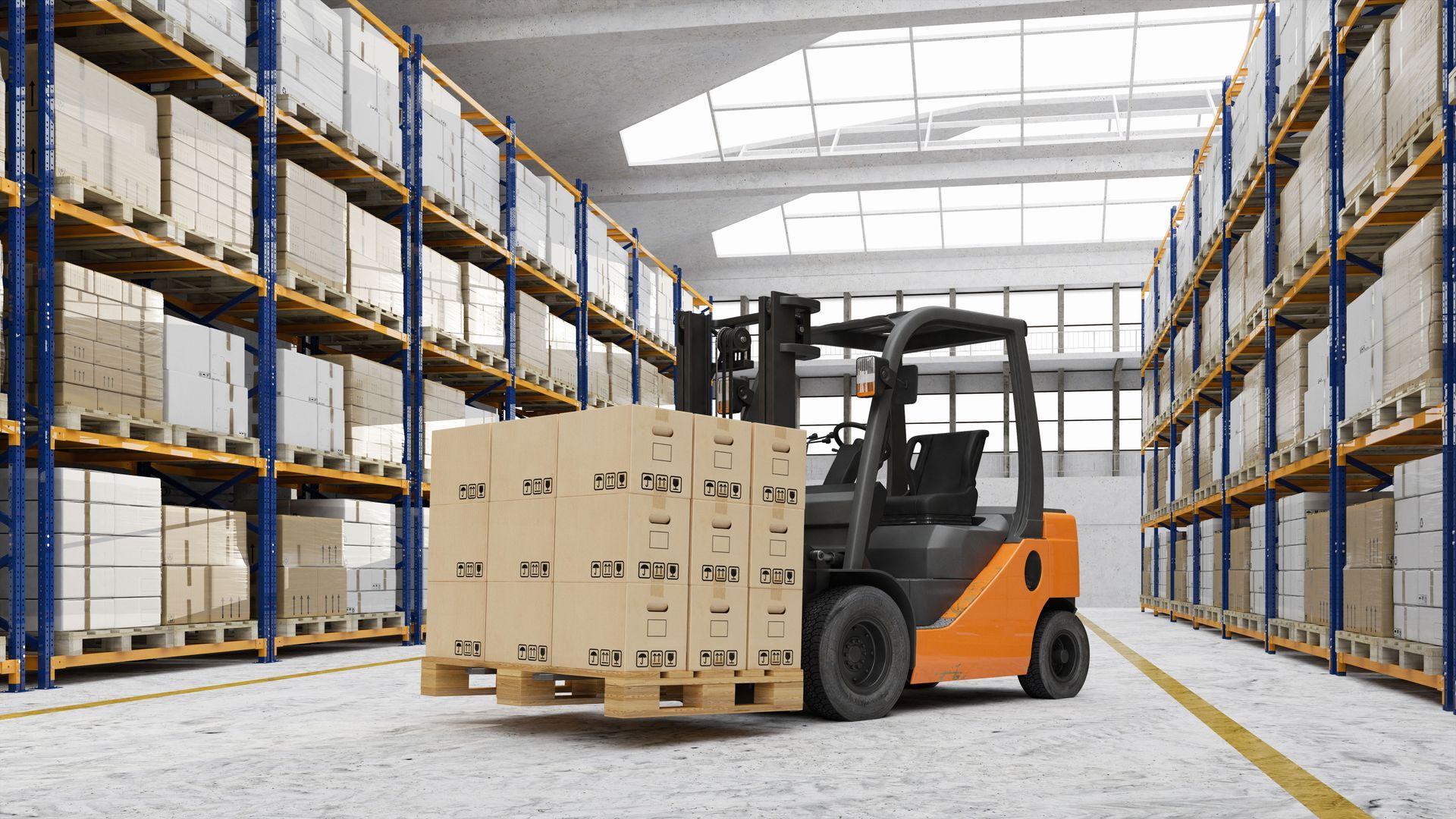
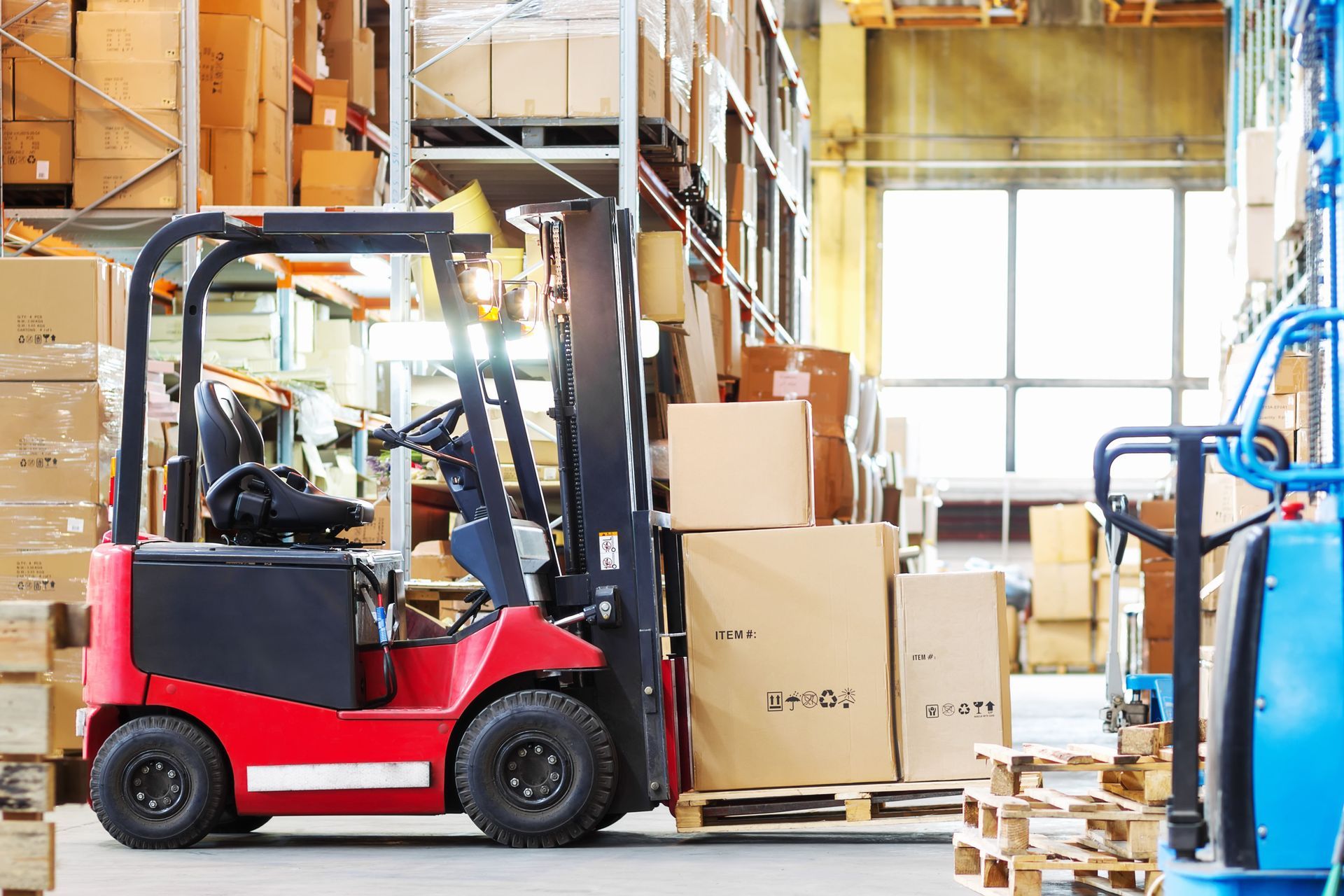
Electric forklifts run on batteries that supply energy to the motor, enabling smooth lifting and movement. Unlike gas forklifts, they do not rely on internal combustion engines, which makes them ideal for indoor environments where noise and air quality matter. These forklifts offer features like zero emissions, compact design, advanced electronic control systems, and digital displays for real-time performance tracking. Battery types, such as lead-acid and lithium-ion, influence efficiency and lifespan, with lithium-ion offering faster charging, longer life, and less maintenance. Many businesses prefer electric forklifts for their maneuverability, precision, and cleaner operation, which often reduces reliance on a forklift repair service.
Electric forklifts are also highly adaptable for a variety of operational setups. Their smaller footprint allows easy navigation in narrow aisles, making them perfect for warehouses with tight storage configurations. The quiet operation not only enhances worker comfort but also reduces overall noise pollution in the facility, which is especially important in office-adjacent warehouses or retail spaces. According to Market.us, electric-powered forklifts dominate the market, holding 66% of the market share, underscoring their growing adoption across industries. This widespread use demonstrates that businesses are increasingly prioritizing sustainability and operational efficiency when investing in material handling equipment.
Gas Forklifts: Power, Durability, and Applications
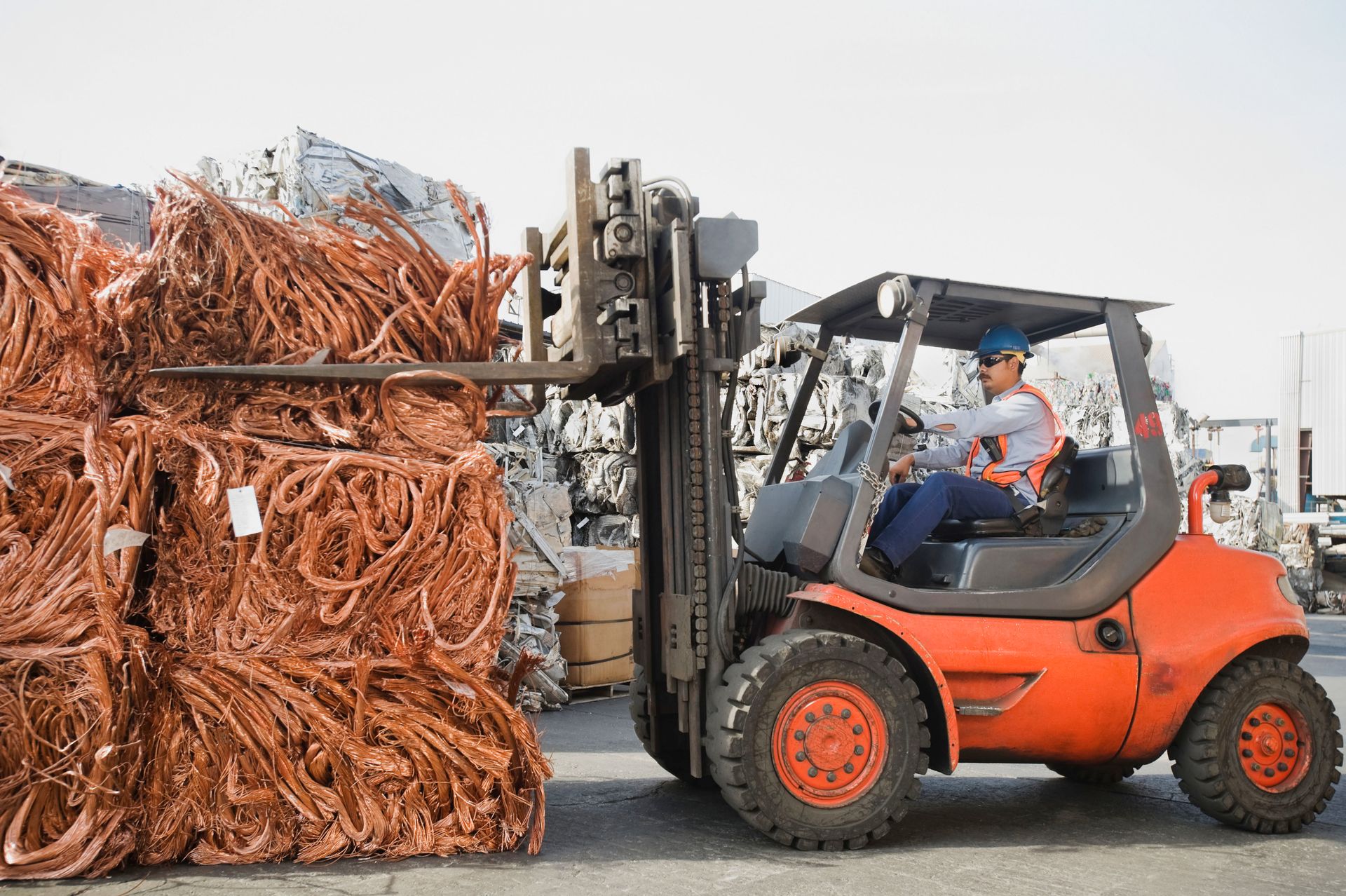
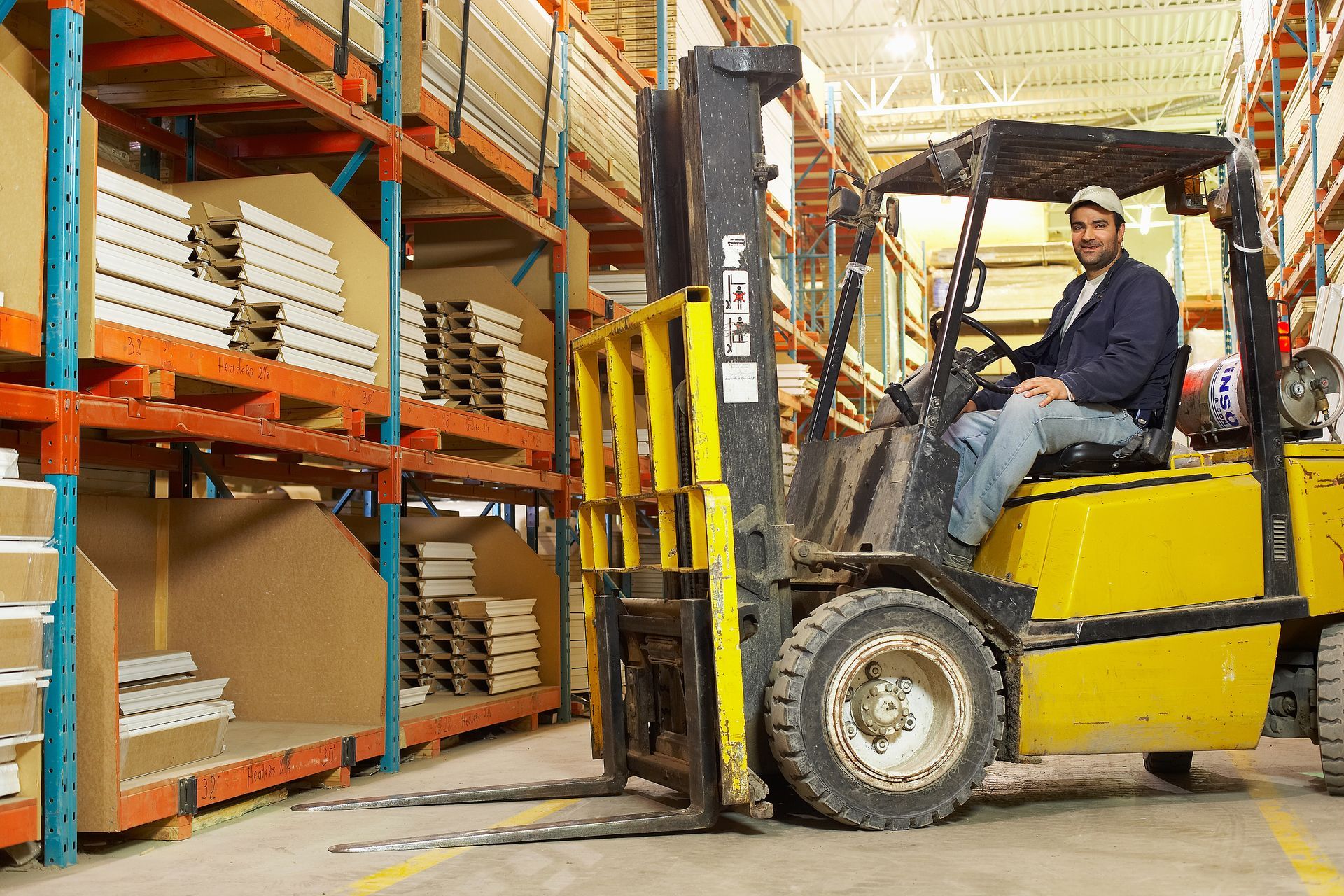
Gas forklifts operate with internal combustion engines powered by propane or diesel, offering robust lifting capacity and continuous operation. They are well-suited for outdoor use and environments with uneven terrain or heavy loads. Gas forklifts provide significant torque, durability, and easy refueling, making them ideal for construction sites, lumber yards, and outdoor logistics operations. However, they emit exhaust gases, which can affect indoor air quality and require proper ventilation. Maintenance is more frequent compared to electric forklifts, including oil changes and spark plug replacements, often necessitating regular support from a trusted forklift repair service to maintain optimal performance and safety.
One major advantage of gas forklifts is their ability to operate in extreme weather conditions. Whether it’s rain, snow, or hot summer days, gas engines tend to maintain consistent performance where batteries in electric forklifts might struggle. Propane-powered models also burn cleaner than diesel, which helps extend engine life while reducing carbon residue. These forklifts are often the go-to solution for businesses that rely on 24/7 operations outdoors and need the ability to quickly refuel and return to work, minimizing downtime.
Cost Considerations: Purchase, Operations, and Maintenance
The financial implications of choosing a forklift are crucial. Electric forklifts often have higher upfront costs due to batteries and electronic systems, but they generally incur lower operational expenses because electricity is cheaper than gas or diesel, and fewer moving parts reduce wear and tear. Gas forklifts have lower initial costs but can result in higher fuel and maintenance expenses over time. Long-term efficiency depends on evaluating total ownership costs, including energy, fuel, and servicing. Scheduling routine inspections and maintenance with a forklift repair service ensures both types remain efficient and safe, helping businesses make cost-effective decisions over the lifespan of the equipment.
It’s also worth considering the indirect cost savings of electric forklifts. Reduced noise and emissions improve working conditions, potentially lowering absenteeism and increasing productivity. Businesses that choose electric forklifts may also qualify for green energy incentives or tax benefits in some regions, further enhancing cost efficiency. On the other hand, gas forklifts provide flexibility for immediate operational needs without waiting for battery charges, which can be critical in high-intensity, outdoor-focused businesses.
Performance and Operational Efficiency
Performance is critical when selecting forklifts. Gas models usually excel in lifting heavy loads and achieving higher speeds, while electric forklifts have improved lifting capabilities thanks to advancements in battery and motor technology. Electric forklifts offer precise control, instant torque, and superior maneuverability, particularly in indoor spaces with tight aisles. Gas forklifts excel outdoors with quick refueling and long operational range, which is advantageous for 24/7 operations.
Consistency in performance is another key factor. Electric forklifts have fewer mechanical parts, which often results in fewer breakdowns and more predictable performance over time. Gas forklifts, while powerful, require diligent maintenance to avoid performance dips caused by engine wear or fuel issues. Partnering with a reliable forklift repair service ensures all equipment remains in optimal condition, reducing unexpected downtime and extending operational lifespan.
Health and Safety Considerations
Operator safety and health are central in forklift selection. Electric forklifts produce zero emissions and operate quietly, making them ideal for enclosed areas and improving workplace comfort. Gas forklifts emit exhaust gases and generate more noise, requiring ventilation systems and noise mitigation strategies. Ergonomics are essential for operator comfort, with modern electric and gas forklifts offering adjustable seating, intuitive controls, and stability features. Safety systems, such as seatbelts, overhead guards, and electronic monitoring, reduce accident risks.
Additionally, training and regular inspection of forklifts are essential for preventing accidents. Even the best-performing equipment can pose hazards if not properly maintained or operated. By combining safe equipment with professional support from a forklift repair service, businesses can mitigate risks and maintain a productive, safe working environment.
Environmental Impact and Sustainability
Environmental sustainability has become a major factor in industrial operations. Electric forklifts reduce carbon emissions, improve indoor air quality, and support eco-friendly practices. When paired with renewable energy sources, they further enhance sustainability. Gas forklifts, while robust, contribute to air pollution and rely on fossil fuels, requiring careful planning to minimize environmental impact.
Companies adopting electric forklifts not only reduce their carbon footprint but also position themselves as environmentally responsible, which can improve public perception and appeal to eco-conscious clients. Proper recycling of batteries and responsible disposal of components further enhance sustainability efforts. Utilizing a forklift repair service to maintain and refurbish equipment ensures longevity and minimizes unnecessary waste, making sustainable operations more achievable.
Choosing the Right Forklift for Your Business
Selecting the right forklift requires balancing operational needs, budget, and environmental priorities. Electric forklifts are ideal for indoor operations where efficiency, precision, and emissions control matter. Gas forklifts perform best outdoors, offering raw power, durability, and quick refueling. Businesses should assess factors such as load handling requirements, work environment, and total cost of ownership. Partnering with a professional forklift repair service ensures all equipment operates safely and efficiently over time. A thoughtful approach to choosing forklifts enhances productivity, reduces downtime, and supports sustainability. It’s not just about picking the cheapest or most powerful option—it’s about selecting the solution that fits your operations, staff, and long-term goals.
Choosing between electric and gas forklifts is not a one-size-fits-all decision. Both types have their strengths—electric forklifts excel in indoor, eco-conscious environments, while gas forklifts provide the raw power needed for outdoor and heavy-duty operations. Understanding cost, performance, health and safety, and environmental factors is key to making the right choice. Regular maintenance and support from a professional forklift repair service ensures long-term reliability for either option. By carefully evaluating your business needs and operational goals, you can select a forklift that boosts productivity, safeguards employees, and aligns with sustainability objectives. For expert guidance, maintenance, and top-quality forklifts, contact Action Material Handling today.